How to Stay Consistent With Your Invisalign Wear Time

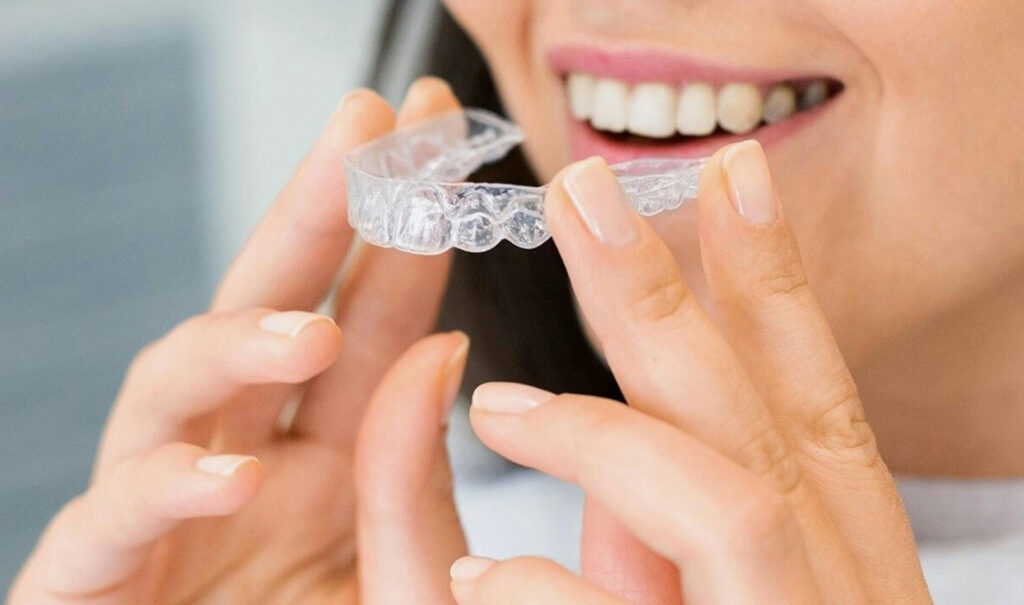
Anyone who starts Invisalign usually hears the same target early on: wear your aligners for about 20 to 22 hours a day. On paper, that sounds simple. In real life, it is where many treatment plans either stay on track or start drifting.
The issue is rarely motivation in the big-picture sense. Most people begin treatment excited, committed, and fully aware of the investment they are making. The trouble starts in ordinary moments, coffee that turns into a long chat, a rushed lunch between meetings, a date night where the aligners stay out longer than planned, a habit of snacking that suddenly matters more than it used to. Consistency is not usually lost in one dramatic decision. It slips through small gaps.
That is why wear time is best treated as a daily system rather than a test of willpower. Patients who do well with Invisalign are not necessarily more disciplined by nature. They usually build routines that make the right choice easier, faster, and more automatic.
Why wear time matters more than people expect
Invisalign trays are designed to apply controlled pressure over time. That last part matters. Teeth do not move because you wore the aligners perfectly for one day and poorly for the next three. They respond to sustained, consistent force. If the trays spend too much time out of your mouth, the movement becomes less predictable.
What that looks like in practice varies. Sometimes a tray still seems to fit, but more tightly than it should by the end of the week. Sometimes patients move to the next set on schedule and realize the new tray feels far too snug. In other cases, the attachment points start feeling more noticeable because the aligner is not seating fully. None of this automatically means treatment is failing, but it often signals that wear time is not as consistent as it needs to be.
There is also a comfort factor that surprises people. Counterintuitively, aligners often feel better when worn more consistently. If trays are removed for long stretches, teeth can rebound slightly, and reinserting the aligners can create more pressure and soreness. Patients sometimes interpret that discomfort as a reason to take trays out more often, which only feeds the cycle.
The real reasons people fall short
Most patients do not miss wear time because they forget the official instructions. They miss it because their day has friction built into it.
Eating becomes an event because the aligners need to come out first. Drinking anything other than water becomes a decision. Brushing before reinsertion is ideal, but not always convenient when you are away from home. A person who used to graze through the day may suddenly discover that seven small, casual eating moments can wreck a wear-time goal.
Social situations create another common problem. People sometimes leave trays out during dinner, then continue talking for an hour, then have another drink, then decide they will put them back in once they get home. A single evening can easily turn into four tray-free hours without much awareness of it.
Work is another major factor. Teachers, sales professionals, healthcare staff, and anyone in client-facing roles often postpone meals or remove aligners at irregular times. Shift workers have it especially hard because their schedule is already pushing against normal routines. University students run into a different version of the same issue. Long classes, coffee habits, and inconsistent meal times can make the day feel structurally incompatible with the treatment, unless they plan ahead.
Then there is simple annoyance. Some patients get tired of taking aligners out and in. Others feel self-conscious removing them in public. A few become lax because their teeth seem to be tracking well, so they assume a little inconsistency will not matter. Usually, it matters eventually.
Start by knowing your own weak spots
The best strategy is not copying someone else’s routine. It is identifying where your own wear time tends to leak away.
If you tend to linger over breakfast, that may be your main issue. If you snack during the afternoon, that is the pressure point. If late-night eating is your pattern, the problem is probably not breakfast or lunch at all. Some patients are highly structured during weekdays and lose ground every weekend. Others do the opposite and struggle only during work hours.
For a week, it helps to watch your actual behavior without trying to be perfect. Notice when the trays come out, how long they stay out, and why. Not in a self-critical way, just as data. People are often surprised by the results. A patient may feel generally compliant, then discover they are losing 30 minutes at breakfast, 45 at lunch, 90 at dinner, and another hour to snacks and coffee. That is already pushing beyond the recommended limit.
Once you know where the problem lives, solutions become much more practical.
Build a routine that reduces decisions
The easiest wear time to maintain is the kind you do not have to negotiate with yourself all day.
Most successful Invisalign patients settle into a rhythm where meals become more defined. They eat, clean their teeth or rinse as best they can, and get the trays back in promptly. The goal is not perfection. The goal is speed and repeatability.
One common shift is moving away from constant snacking. That does not mean everyone needs three meals and nothing else. It means consolidating eating windows so your aligners are not spending the day in a napkin. If you used to sip sweetened coffee over three hours every morning, finishing it in a shorter window can make a major difference. If you usually pick at food while cooking dinner, sitting down to one proper meal is often better for treatment and easier mentally.
There is also a psychological advantage to routines. When reinserting aligners becomes the default end point of eating, you stop treating it as optional. That sounds minor, but it changes outcomes. People who ask themselves every time whether they want to put the trays back in are relying on motivation. People who simply do it are relying on habit.
Timing matters more than perfection
Many patients become discouraged because they cannot hit exactly 22 hours every single day. That mindset can backfire. Aiming for consistency is more useful than obsessing over a perfect score.
A realistic target is strong wear time most days, with quick recovery after off days. If you have a holiday meal, a wedding, or an unusually long restaurant outing, that does not erase your treatment. Problems come when exceptions quietly become the norm.
It helps to think in averages and patterns. One shorter day is usually manageable. Repeated short days are what tend to cause tracking issues. If you know you have a social event coming, protect wear time earlier in the day and get the aligners back in as soon as possible afterward. That kind of adjustment is far more effective than saying, “Today is already off track, so it doesn’t matter.”
The practical kit that saves treatment time
Patients who stay consistent usually keep a few basics with them. This is not glamorous, but it works. A small pouch in a bag, briefcase, backpack, or car can prevent a surprising amount of lost wear time.
- a hard aligner case, so trays do not end up wrapped in a napkin and thrown away
- a travel toothbrush and small toothpaste
- floss picks or interdental cleaners for quick use after meals
- a bottle of water for rinsing your mouth and aligners
- chewies or a similar seating aid, if your orthodontist recommends them
The case matters more than people expect. I have seen plenty of patients lose trays because they set them on a plate, tucked them into a tissue, or left them near a sink in a restaurant restroom. Once trays are lost, wear time often drops while the patient decides whether to move forward, go back, or wait for replacements. A simple case prevents that entire problem.
Make meals shorter without feeling rushed
One of the biggest improvements people can make is reducing “aligners out” time around meals, https://devinkbuy139.publishlane.com/posts/100-reasons-patients-choose-invisalign-over-braces not by hurrying through food but by tightening the parts around the meal.
A common pattern looks like this: trays come out, dinner is served 20 minutes later, conversation goes on, dessert follows, then someone scrolls on their phone and delays brushing. The actual eating may take 30 minutes, but the aligners stay out for 90. That is where treatment time disappears.
A better approach is to keep the sequence compact. Remove the trays when the meal is actually about to begin. Once you finish eating, head straight into your cleanup routine rather than drifting into other activities first. If brushing immediately is not possible, rinsing well and reinserting the trays is often better than letting them sit out for an hour waiting for ideal conditions. Specific hygiene recommendations can vary, so it is worth following your orthodontist’s advice, especially if you are prone to cavities. But from a wear-time standpoint, getting the aligners back in promptly is usually the priority.
This becomes particularly important for people who enjoy leisurely dinners. You do not need to give those up. You just need to recognize that a two-hour dinner with aligners out is expensive in treatment terms. Some patients adapt by choosing water once the trays are back in, skipping prolonged post-meal grazing, or being more structured earlier in the day.
The role of reminders, timers, and tracking apps
There is no prize for doing everything from memory. Technology can help, especially in the first month, when the new routine still feels unnatural.
A timer is often more effective than a vague intention. If you take your aligners out for lunch and set a 30-minute or 40-minute timer immediately, you create a boundary before the meal expands. Without that cue, time tends to blur. Many patients sincerely believe they had the trays out “for just a bit,” only to realize an hour passed.
Tracking apps can also be useful, though they are not necessary for everyone. Some patients become more compliant the moment they start logging actual wear time because the numbers make the pattern visible. Others find the data stressful and do better with a simple timer plus routine. This is one of those cases where the best system is the one you will genuinely use after the novelty wears off.
If you know you ignore phone alarms, pair the reminder with something physical. Put your aligner case on top of your keys during meals at home. Leave yourself a sticky note at your desk. Link tray reinsertion with a fixed event, such as rinsing your plate or standing up from the table. These small environmental cues are more powerful than most people assume.
When coffee, workouts, and travel complicate things
Some situations repeatedly challenge otherwise good habits.
Coffee is a classic example. Many Invisalign patients are not struggling with meals at all. They are struggling with the habit of sipping coffee over long stretches. If that is you, the most practical fix is often to shorten the drinking window rather than trying to eliminate coffee. Drink it with breakfast, or finish it within a more defined period. Endless sipping is what causes trouble.
Workouts can create another issue. Some people prefer removing trays during intense exercise, especially if they feel dry-mouthed or are breathing heavily. If that helps you, the key is keeping that time limited and putting the aligners back in immediately afterward. Others work out just fine with trays in and prefer not to interrupt wear time at all. Comfort, hydration, and personal preference matter here.
Travel disrupts routines because meals happen at odd times, sleep shifts, and supplies get buried in luggage. This is where preparation pays off. Keep the essentials in your carry-on or day bag, not packed away. Airport delays and road stops are much easier to manage when your case, brush, and water are within reach.
What to do after a bad day
Everyone has one eventually. A long celebration, illness, a missed tray at school, a forgotten case during a work trip. The worst response is usually panic followed by avoidance.
If you have one poor wear-time day, the priority is to return to normal immediately. Do not compound the issue by continuing to be casual the next day. If the current tray still seats fully and comfortably, stay on schedule unless your orthodontist has given you different instructions. If the tray feels significantly tighter or does not fit all the way, you may need to wear that set longer before switching. That is a judgment call best made with your provider if there is any real uncertainty.
What matters most is not dramatizing occasional setbacks. Teeth do not move on a moral scale. They respond to mechanics and time. Your job is to restore the time.
Signs your wear time may be slipping more than you think
Tracking problems often show up before patients admit to themselves that consistency has dropped. Pay attention to the practical clues.
- trays feel unusually tight every time you reinsert them
- a new aligner does not seat fully by the recommended change day
- attachments seem to “catch” because the tray is not fitting snugly
- you are frequently guessing how long the trays were out
- you keep telling yourself you will make up the time later
That last one deserves attention. You cannot fully “make up” for repeated long gaps by wearing trays extra overnight once in a while. Consistent daily force is what matters. Extra hours can help at the margins, but they are not a perfect repair tool.
Parents, teens, and adults often need different strategies
A teenager in school, a parent with small children, and a traveling executive are all dealing with different versions of the same compliance problem. Advice that works beautifully for one may fail for another.
Teens usually benefit from visible structure. Clear expectations around meals, sports, and bedtime help more than vague reminders to “wear them more.” Parents often do better when they simplify food routines, especially if they spend the day grabbing bites from their children’s plates or eating on the move. Adults in demanding jobs need portable systems and realistic planning, not aspirational routines that collapse by Wednesday.
This is one reason generic advice can feel frustrating. “Just wear them 22 hours a day” is technically correct but practically incomplete. The better question is: what in your life is most likely to interfere with that, and what system will neutralize it?
If you keep missing the target, adjust the environment
When patients struggle for weeks, I rarely assume they lack commitment. More often, their setup is weak.
Maybe they do not have a travel kit, so every meal away from home becomes a prolonged aligner break. Maybe they keep eating in a scattered way that worked fine before treatment but now creates too many interruptions. Maybe their trays come out for drinks every evening because they have not decided on a realistic social routine. Maybe they are switching trays on schedule even when the fit suggests they should pause and ask for guidance.
Behavior changes fastest when the environment supports it. Put cases where you actually eat. Keep backups at work. Set the same timer every day. Decide in advance how you will handle coffee, dinner out, and late-night snacks. These choices remove negotiation from the moment, which is where most consistency is won or lost.
Consistency is not glamorous, but it is what gets the result
The appeal of Invisalign is obvious. It is discreet, removable, and generally easier to live with than many people expect. Its main challenge is also obvious once treatment begins: because the trays are removable, you have to keep choosing to put them back in.
That is the whole game. Not enthusiasm, not good intentions, not occasional marathon wear days after a lapse. Consistent, boring, ordinary compliance.
The patients who finish smoothly tend to understand that early. They protect wear time during the week, recover quickly from disruptions, and stop treating every meal or event as a special exception. They make the process less emotional and more routine.
If you are falling short, that does not mean you are bad at Invisalign. It usually means your current routine is not sturdy enough yet. Tighten the weak spots, shorten the aligners-out windows, carry what you need, and make reinsertion automatic. The more you reduce the number of daily decisions, the easier consistency becomes.
And once consistency becomes normal, the treatment starts to feel a lot lighter.
Omni Dental Specialty
Address: 1690 E Gonzales Rd, Oxnard, CA 93036
Phone number: +18053666000
FAQ About Invisalign
How much does Invisalign actually cost?
The out-of-pocket cost for Invisalign typically ranges between $3,000 and $8,000, with most patients paying a national average of roughly $5,100 to $5,700 before insurance.
What is the downside to Invisalign?
The biggest downsides to Invisalign are the intense discipline required to wear the trays 22 hours a day, the inconvenience of removing them to eat or drink, and the inability to fix severe, complex orthodontic issues.
Is $5000 a lot for Invisalign?
No, $5,000 is not considered a lot for Invisalign; it is exactly the national average. Treatment costs typically fall between $3,000 and $8,000, and $5,000 is the standard fee for a moderately complex case that takes 6 to 18 months to complete.