How Wisdom Teeth Removal in Oxnard CA Can Protect Your Oral Health
Most people do not spend much time thinking about their wisdom teeth until those teeth start causing problems. By then, the signs can be https://zandercqsp547.clearhavendigest.com/posts/what-to-know-about-sedation-and-wisdom-teeth-removal-in-oxnard-ca hard to ignore: pressure in the back of the jaw, gum swelling, a bad taste that will not go away, or the kind of throbbing ache that flares at the worst possible moment. Wisdom teeth often arrive late, usually in the late teens or early twenties, and they do not always have enough room to come in properly. When they erupt at the wrong angle or stay trapped beneath the gums, they can create a chain reaction that affects far more than the last corner of your mouth.
That is why wisdom teeth removal in Oxnard CA is often about prevention as much as relief. Removing problematic third molars can lower the risk of infection, reduce crowding pressure, protect nearby teeth, and help preserve long-term oral health. Not every wisdom tooth needs to come out, and not every patient follows the same timeline, but waiting too long can turn a manageable issue into a more complicated one.
A lot of patients hope discomfort in the back of the mouth will settle down on its own. Sometimes it does, briefly. The trouble is that wisdom tooth problems tend to be cyclical. Symptoms can fade for weeks or months, then return with more swelling, more tenderness, and a greater chance of damage around the area. I have seen people brush off occasional gum irritation only to learn later that a partially erupted wisdom tooth had been trapping food and bacteria against the second molar, the tooth just in front of it. By the time they came in, the issue was no longer only about the wisdom tooth. It had started threatening a tooth they were counting on keeping for life.
Why wisdom teeth become a problem so often
Wisdom teeth are the last adult teeth to develop. Human jaws have not always kept pace with the number of teeth we grow, so many mouths simply do not have enough space for four additional molars. When that happens, wisdom teeth may emerge sideways, remain partly covered by gum tissue, or stay fully impacted in the jawbone.
A fully impacted tooth can sit quietly for a while, but quiet does not always mean harmless. An impacted wisdom tooth can press against the root of the neighboring molar, create a hidden pocket where bacteria thrive, or form a cyst around the tooth sac. A partially erupted tooth poses a different kind of risk. Because it breaks through the gums only partway, it creates a flap of tissue where food debris and plaque collect. That area is difficult to clean, even for patients with excellent brushing habits.
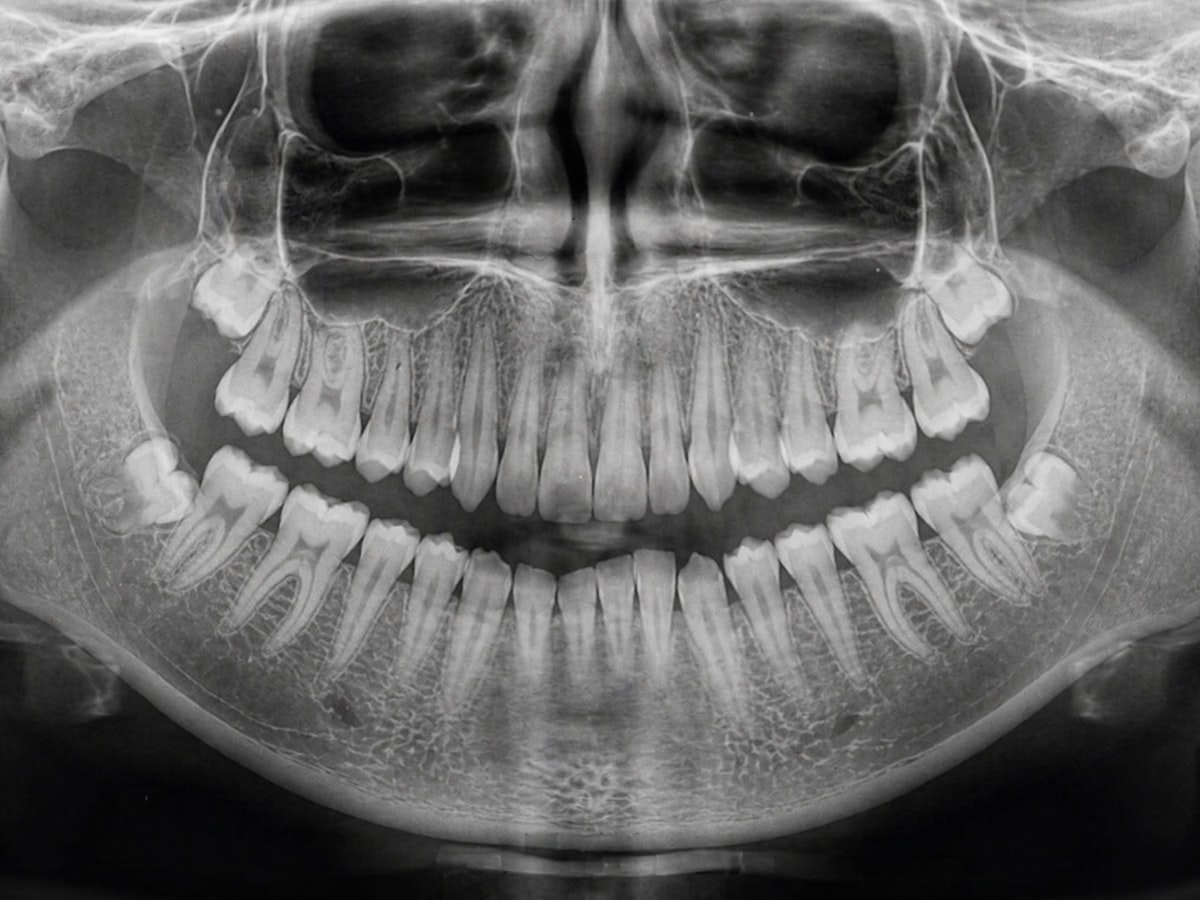
This is one reason routine dental exams and imaging matter. Wisdom teeth issues often develop out of sight. A person may not see anything unusual in the mirror and still have a tooth angling into the one next to it. X-rays can reveal spacing, eruption patterns, root development, and signs of bone or tooth damage before symptoms become severe.
In communities like Oxnard, where active lifestyles, work schedules, and family responsibilities can make people postpone care, wisdom teeth are easy to put on the back burner. The delay is understandable. If the pain comes and goes, removal can seem optional. Yet from a clinical perspective, timing is one of the biggest factors in keeping treatment simpler and recovery smoother.
The oral health risks of leaving problematic wisdom teeth in place
The phrase “problematic wisdom teeth” covers more than obvious pain. Some of the most important reasons for removal involve damage that builds gradually.
A common issue is pericoronitis, an infection of the gum tissue around a partially erupted wisdom tooth. The area becomes swollen, tender, and sometimes difficult to chew on. Patients often describe the sensation as a sore gum in the back of the mouth, though the source is deeper than ordinary irritation. In more significant cases, swelling can spread into the cheek or jaw, and opening the mouth may become uncomfortable.
Crowding is another concern, though it needs nuance. Wisdom teeth do not single-handedly ruin every straight smile, and orthodontic relapse can happen for several reasons. Still, when a wisdom tooth erupts at an angle in a tight jaw, it can add pressure in an already crowded area. For patients who have invested in braces or clear aligners, a close evaluation is worthwhile.
Then there is the neighboring second molar, often the real victim when wisdom teeth are neglected. A wisdom tooth that leans forward can trap bacteria between itself and the second molar. That leads to cavities or gum problems in a location that is hard to reach and hard to restore. A cavity on a wisdom tooth is one thing. Damage to the second molar is much more consequential because that tooth plays a major role in long-term chewing function.
In some cases, impacted wisdom teeth are associated with cyst formation. This is not the most common outcome, but it is a real one. A cyst can damage surrounding bone and, if left unchecked, affect nearby teeth. These situations are one reason dentists and oral surgeons do not base decisions on pain alone. A tooth can be painless and still pose risk.
Signs it may be time to have your wisdom teeth evaluated
Patients often ask whether there is a reliable signal that removal is necessary. There is no single symptom that tells the whole story, but several recurring signs deserve prompt attention:
- pain or pressure at the back of the jaw
- swollen, bleeding, or tender gums near the last molar
- repeated bad breath or a bad taste that returns after brushing
- difficulty opening the mouth fully or discomfort when chewing
- food constantly getting trapped behind the last visible tooth
Even when these symptoms seem mild, they are worth discussing with a dentist or oral surgeon. The goal is not to remove teeth reflexively. The goal is to determine whether the current pattern suggests future trouble.
Why earlier removal is often easier than later removal
There is a practical reason many oral health professionals recommend evaluating wisdom teeth in the late teen years or early twenties. Younger patients often heal faster, and the roots may not be fully formed yet, which can simplify the extraction. Bone is also generally less dense at that age than it becomes later in adulthood.
That does not mean adults in their thirties, forties, or beyond cannot have wisdom teeth removed successfully. They can, and many do. But the equation changes. Older patients may have fully developed roots close to the sinus or near important nerves in the lower jaw. Recovery can be slower, and long-standing inflammation can make surgery more involved. When a wisdom tooth has already caused decay, gum loss, or damage to the neighboring molar, treatment may need to address more than one issue.
I have seen this distinction play out clearly. A college student with mildly impacted lower wisdom teeth may need a straightforward preventive extraction and a few days of downtime. A patient who waits ten years with recurring infections might need a more complex procedure, closer monitoring, and treatment for a second molar that has started to break down. Same type of tooth, very different oral health picture.
What patients in Oxnard should consider
When people search for wisdom teeth removal in Oxnard CA, they are usually balancing more than medical facts. They are thinking about time away from work, transportation after sedation, school schedules, childcare, and cost. These are real concerns, and good treatment planning should account for them.
Oxnard’s climate and pace of life can create their own small practicalities. Warm weather makes hydration especially important during recovery. Busy families often try to schedule procedures around school breaks or long weekends. Agricultural workers, service workers, and others in physically demanding jobs may need clearer guidance on when they can return safely, especially if lifting, bending, or outdoor heat are part of the workday.
A good consultation should address the specifics. Are all four wisdom teeth problematic or only one or two? Are the upper teeth fully erupted and easy to remove while the lowers are impacted? Is sedation recommended, or can the procedure be managed comfortably with local anesthesia? How many days should be set aside before returning to regular activity? These details matter more than broad generalizations.
The consultation: what a careful evaluation looks like
A proper wisdom teeth consultation is not a sales pitch for extraction. It is an assessment. The provider will review symptoms, examine the gums and surrounding teeth, and evaluate imaging to see the position of the wisdom teeth relative to neighboring roots, bone, and in the case of upper teeth, the sinus area.
This is where judgment matters. Some wisdom teeth are fully erupted, easy to clean, and not harming adjacent teeth. Those may be monitored. Others look quiet on the surface but are clearly creating risk beneath the gums. The best decisions come from a combination of symptoms, imaging, age, oral hygiene patterns, and access for cleaning.
Patients should feel comfortable asking direct questions. If removal is recommended, ask why now instead of later. Ask whether the concern is infection, crowding pressure, decay risk, gum damage, or impaction. Ask what kind of recovery to expect based on the tooth position. Clear answers usually signal a thoughtful treatment plan.
What the procedure typically involves
Wisdom tooth removal varies from simple extraction to surgical removal. A fully erupted wisdom tooth that sits normally in the arch may come out much like any other tooth, though the far-back position still requires precision. Impacted teeth often require a small incision in the gum, and sometimes the tooth is sectioned into smaller pieces to reduce stress on the surrounding bone.
Anesthesia options depend on the complexity of the case, the number of teeth involved, and patient anxiety. Some people do well with local anesthesia alone. Others prefer oral sedation or IV sedation, especially when multiple impacted teeth are being removed. There is no virtue in white-knuckling a difficult procedure. Comfort and safety matter.
The procedure itself is usually much shorter than patients expect. What feels most significant tends to be the recovery window afterward, especially during the first seventy two hours. Swelling, soreness, and limited jaw opening are common. Most of this is temporary and manageable with good aftercare.
Recovery is where oral health protection continues
Successful wisdom teeth removal does not end when the teeth come out. Healing well protects the surgical sites and reduces the chance of complications such as dry socket, prolonged bleeding, or infection. Patients often focus on pain, but the bigger picture is stability. A smooth recovery means the tissues can close and remodel without interruption.
The basics are simple, but they matter:
- rest with your head elevated for the first day
- use cold packs in short intervals to help with swelling
- stick to soft foods and avoid straws, smoking, or forceful rinsing early on
- take medications exactly as directed
- keep the mouth clean with gentle rinsing when your provider says it is safe
One practical point many people underestimate is food choice. The wrong food is a common reason for unnecessary irritation. Smooth foods such as yogurt, mashed potatoes, oatmeal that has cooled a bit, applesauce, broth, scrambled eggs, and smoothies eaten with a spoon are usually easier in the first days than anything crunchy, seedy, spicy, or chewy. Rice, chips, nuts, and popcorn have a way of ending up exactly where they should not.
Another real-world issue is trying to bounce back too fast. Patients who return to strenuous exercise or physically demanding work too soon sometimes notice increased throbbing or renewed bleeding. The temptation is understandable, especially for healthy younger adults who feel decent the day after surgery. The tissues, however, are still vulnerable. A short period of caution often prevents a longer period of setbacks.
Common worries patients have, and what is realistic
Fear around wisdom teeth removal is common, and most of it comes from uncertainty. People worry they will be in severe pain, that recovery will drag on for weeks, or that removal itself is dangerous. Those fears deserve honest answers.
Discomfort is normal, but severe uncontrolled pain is not the standard outcome. With appropriate anesthesia, sound surgical technique, and adherence to instructions, most patients do reasonably well. Swelling often peaks around the second or third day, then starts to improve. Bruising can happen, especially with lower impacted teeth, but it fades. Many people return to desk work or school within a few days, though physically demanding jobs may require more time.
There are risks, as with any oral surgery. Dry socket can occur, particularly in lower extractions. Infection is possible, though proper care lowers the odds. Nerve-related symptoms such as temporary numbness are uncommon but worth discussing when lower wisdom teeth sit close to the nerve canal. Good providers bring these trade-offs into the conversation rather than minimizing them.
Not every wisdom tooth should be removed, but many should not be ignored
One of the more balanced truths about third molars is that removal is not automatic. Some people keep their wisdom teeth for life without trouble. If the teeth are fully erupted, correctly positioned, easy to clean, and not damaging neighboring structures, observation can be a sound choice.
What is not wise is assuming that no pain means no problem. Wisdom teeth can be difficult to monitor at home because of their location and because the earliest damage often happens out of sight. A second molar can begin developing decay on the back side long before the patient notices anything wrong. Gum pockets can deepen slowly. Bone loss can develop without dramatic symptoms.
That is why periodic professional evaluation matters. Patients who choose monitoring should understand that monitoring is an active decision, not passive neglect. It means keeping up with exams, imaging when indicated, and watching for changes in symptoms or hygiene access.
The long-term payoff for oral health
The real value of timely wisdom teeth removal is often seen years later, in the problems that never developed. No repeat gum infections every few months. No hidden cavity eating into the second molar. No cracked filling or difficult cleaning zone at the very back of the mouth. No emergency visit just before a vacation, wedding, final exam, or major work deadline.
That preventive value can be hard to appreciate in the moment because prevention is quiet. It does not come with the immediate relief of fixing an obvious toothache, yet it can protect more important teeth and spare patients a more invasive procedure later. From an oral health standpoint, that matters.
For anyone weighing wisdom teeth removal in Oxnard CA, the best next step is not to assume the worst or the best. It is to get a careful evaluation based on your anatomy, your symptoms, and your future risk. Some people need prompt removal. Some need watchful monitoring. What protects your oral health is not a one-size-fits-all rule, but a timely, informed decision made before small problems have the chance to grow.
Oxnard Dentistry
1730 E Gonzales Rd
Oxnard, CA 93036, United States
Phone: +1 805-307-8731
FAQ About Wisdom Teeth Removal Oxnard CA
How much does it cost to get wisdom teeth removed in California?
Fees depend on tooth position, the number of extractions, imaging and anesthesia. Oxnard Dentistry can provide an individual estimate after examining your teeth. Ask for an itemized plan and confirm insurance benefits before scheduling.
Will insurance cover wisdom teeth removal?
Coverage and out-of-pocket costs vary by policy and the treatment required. Ask the dental office and your insurer to verify benefits, annual limits and any authorization requirements. A benefit estimate does not guarantee payment.
Is 30 too old to have wisdom teeth removed?
Age alone does not determine whether extraction is appropriate. A dentist evaluates symptoms, tooth position, oral health and medical history. Healthy, functional wisdom teeth may be monitored; teeth causing disease or other problems may need treatment.