What to Do After a Dental Injury in Plano TX
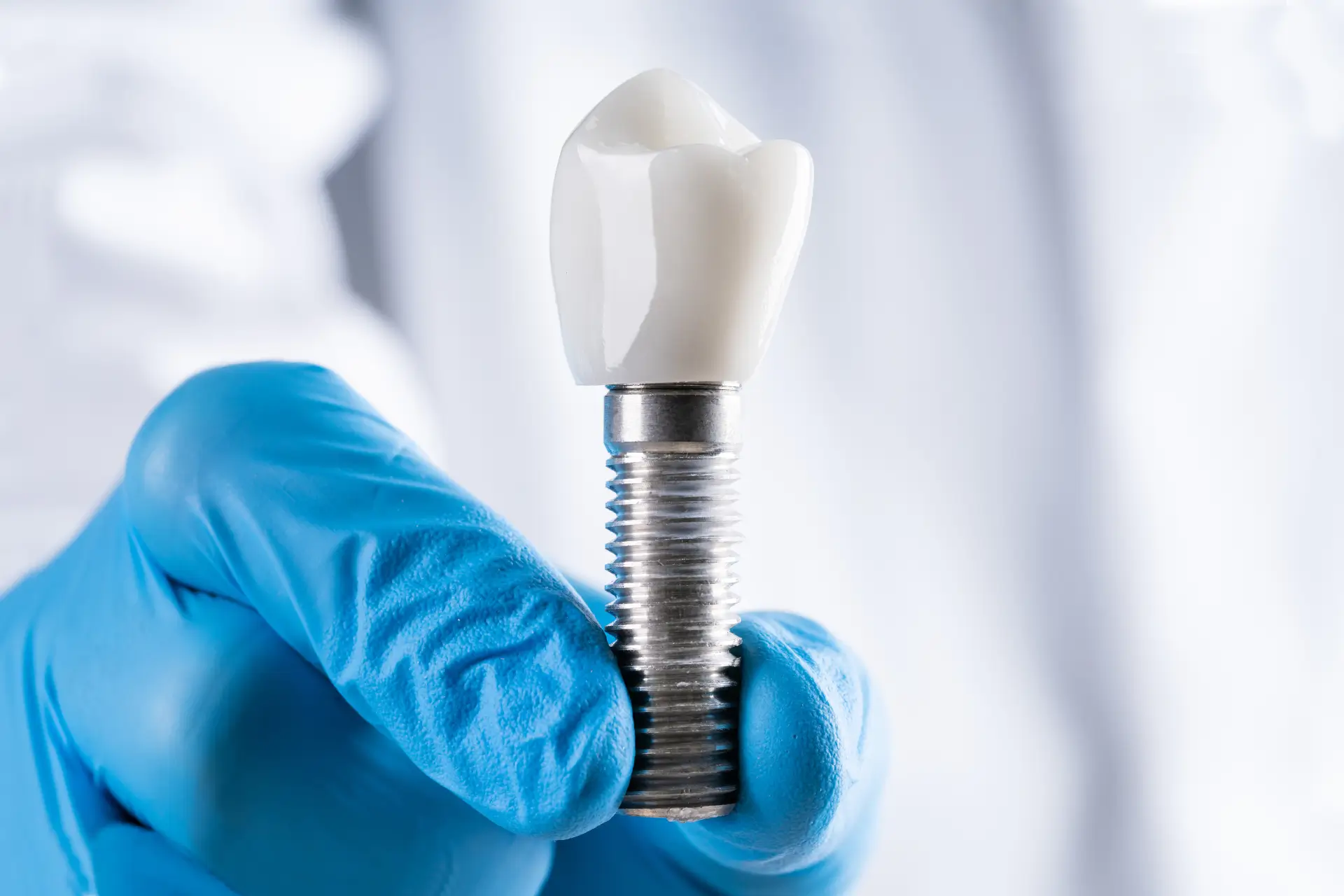
A dental injury has a way of turning an ordinary day into a fast-moving problem. One minute a child is on the soccer field, an adult is opening packaging with their teeth, or someone slips on wet pavement, and the next minute there is blood, pain, and a lot of uncertainty. In Plano, where families juggle school schedules, sports, commutes, and busy weekends, these injuries tend to happen at the least convenient time. What matters most in those first moments is not perfect decision-making. It is staying calm, protecting the injured area, and getting the right kind of care quickly.
Dental injuries range from relatively minor chips to knocked-out teeth, deep cracks, displaced teeth, soft tissue injuries, and trauma that affects the jaw. Some look dramatic but turn out to be manageable. Others seem small at first and become serious later because bacteria enter the pulp, the root is damaged, or the bite changes. Timing matters more than many people realize. A knocked-out permanent tooth has the best chance of being saved when it is handled properly and seen by a dentist as soon as possible, ideally within 30 minutes, though there can still be hope after that. A fractured tooth may not hurt immediately if the nerve is not exposed, but waiting can increase the chance of infection or more extensive treatment.
The good news is that a thoughtful first response can improve the outcome quite a bit.
The first few minutes matter most
After a dental injury, people often focus only on the tooth they can see. That is understandable, but the first priority is always overall safety. If there is heavy bleeding, loss of consciousness, vomiting, confusion, trouble breathing, or suspected head or neck injury, this is no longer just a dental situation. Emergency medical care comes first.
Once those life-threatening concerns are ruled out, attention can shift to the mouth. A clean cloth or gauze can help control bleeding. A cold compress on the outside of the cheek can reduce swelling and bring some relief. If a tooth has been displaced, cracked, or knocked out, handling it gently makes a real difference. Scrubbing, wrapping it in tissue, or leaving it dry on a counter are common mistakes that can reduce the odds of saving it.
Here is the clearest way to think about those first moments:
- Check for serious medical issues first, especially head trauma, severe bleeding, or trouble breathing.
- Control bleeding with clean gauze or a soft cloth, using light but steady pressure.
- Find any tooth fragment or whole tooth, and handle it only by the crown, not the root.
- Keep the tooth or fragment moist, ideally in milk or saline, or in the person’s saliva if nothing else is available.
- Call a dentist right away for a same-day evaluation, and describe exactly what happened.
Those five steps cover most situations, but the details change depending on the type of injury.
If a permanent tooth is knocked out
This is one of the true time-sensitive situations in dentistry. A completely knocked-out permanent tooth, called an avulsed tooth, can sometimes be replanted successfully. The small fibers on the root surface are delicate. If they dry out or are damaged by rough handling, the chances of long-term survival drop.
Pick the tooth up by the chewing surface or crown. Do not touch the root unless there is no other choice. If it is visibly dirty, rinse it very briefly with milk or saline. Clean water can be used if that is all you have, but avoid soaking or scrubbing. The goal is to remove obvious debris without stripping away the living cells on the root.
In some cases, an adult can gently place the tooth back into the socket right away and hold it there by biting softly on gauze. This can be appropriate if the person is alert, cooperative, and there is no risk they will swallow it. If replanting on the spot feels too difficult, keep the tooth moist and get to a dentist immediately. Milk is often the easiest option because it is less harsh on root cells than plain tap water. Saline is also useful. A commercial tooth preservation kit is ideal if one happens to be available, though most people do not keep one on hand.
One important caution, baby teeth should not be replanted. Trying to put a knocked-out primary tooth back in place can injure the developing permanent tooth underneath. If a child loses a baby tooth from trauma, the child still needs a prompt dental exam, but the approach is different.
If the tooth is chipped, cracked, or broken
Not every broken tooth is an emergency in the same sense as a knocked-out tooth, but every break deserves attention. Small chips limited to enamel may be more of a cosmetic issue at first. The problem is that what looks like a simple chip can involve deeper layers of the tooth or create sharp edges that cut the tongue and cheeks. Cracks can also run in directions that are not visible without an exam and X-rays.
If you can find the broken piece, bring it with you. Sometimes a dentist can use it, or at least it helps show the pattern of the fracture. Rinse the mouth gently with warm water. If the area is sensitive to air or cold, that often suggests the inner dentin is exposed. If there is bleeding around the gumline or the tooth feels loose when touched, the injury may extend below the visible portion of the tooth.
People often ask whether they can wait until the next week if the pain settles down. In my experience, that is risky. A tooth can quiet down temporarily and still have significant internal trauma. It may later discolor, develop an abscess, or become painful at the worst possible time. A same-day or next-day exam is the safer path.
When a tooth is pushed out of place
A tooth that is jammed inward, pushed sideways, or hanging lower than the others may have been luxated, which means displaced without being fully knocked out. These injuries can be easy to underestimate. There may not be dramatic bleeding, yet the supporting bone, periodontal ligament, and nerve supply may be involved.
Do not force the tooth into place unless a dentist instructs you to do so and the situation is straightforward. Keep the person from biting on that tooth. Soft foods only, no chewing on the injured side, and prompt evaluation are important. Dentists often need X-rays to assess root fractures or bone injury, and treatment can range from monitoring to repositioning and splinting.
Bite changes matter here. If the upper and lower teeth no longer come together normally, that is a sign the injury may be more complex than it first appears.
Soft tissue injuries are not minor just because teeth look intact
Cuts to the lips, tongue, cheeks, or gums can bleed heavily because the mouth has a rich blood supply. This is one reason dental injuries can look alarming even when the teeth are salvageable. Gentle pressure with clean gauze usually helps. Cold compresses reduce swelling. Rinsing with water can remove dirt or food particles.
Still, some soft tissue injuries need immediate professional care, especially if the cut is deep, continues to bleed after about 10 to 15 minutes of pressure, contains debris you cannot remove, or appears to go all the way through the lip. Lip injuries also raise another concern, embedded tooth fragments. If a tooth is fractured during a blow to the mouth and the lip is cut, small pieces can become lodged in the soft tissue. A dentist or physician may need imaging to check for that.
Tetanus questions sometimes come up after falls or outdoor sports injuries, particularly when dirt is involved. Dentists do not typically manage tetanus vaccination, but it is worth checking with your physician or urgent care if the injury was contaminated and immunization status is uncertain.
Pain control without making things worse
Most people want to know what they can take while they wait to be seen. Over-the-counter pain relievers may help, depending on the patient’s age, health conditions, allergies, and other medications. Acetaminophen is often a reasonable option. Ibuprofen may also help with pain and inflammation for many adults, but it is not right for everyone, especially those with certain stomach, kidney, bleeding, or medication issues. Children require weight-based dosing and careful label reading.
A point that surprises some patients, topical aspirin should never be placed against the gums or tooth. It can burn the tissue and create a second problem. Ice on the outside of the face is safer than applying anything caustic inside the mouth. Warm saltwater rinses can be soothing later for some injuries, but they do not replace treatment.
If the person cannot open their mouth normally, if the jaw feels locked, or if there is numbness in the lip or chin, mention that immediately when you call. Those details can point to a more serious injury pattern.
What parents in Plano should know about sports injuries
A large share of dental trauma in children and teens happens during sports and rough play. Plano has no shortage of active families, and that means football, basketball, baseball, skateboarding, biking, gymnastics, and playground falls all contribute. Mouthguards genuinely reduce injury risk, especially for contact and ball sports. They do not prevent every trauma, but they can lessen the severity.
Parents often hesitate because they are unsure whether the injured tooth is a baby tooth or a permanent one. Around age six and onward, that line can be blurry. If there is any doubt, assume the child needs urgent dental guidance. A front tooth that appears newly erupted may be permanent even in a relatively young child. The response to a knocked-out permanent tooth is very different from the response to a knocked-out baby tooth, so a quick phone consultation with a dental office can be valuable.
Another real-world issue is adrenaline. A child may cry intensely at first, then seem completely fine 20 minutes later. That does not always mean the injury is minor. If a tooth is tender to touch, appears shorter or longer than the neighboring tooth, or the child avoids biting down, something more than a bruise may be going on.
Not every dental injury hurts right away
One of the trickiest parts of trauma care is delayed symptoms. A tooth can absorb a blow and remain quiet for days or even weeks. Later, the nerve can die, the tooth can darken, or sensitivity can develop. Sometimes the first sign is a small pimple on the gum near the root, which may indicate infection. This is one reason follow-up matters even after a patient feels better.
Dentists commonly recommend monitoring traumatized teeth over time, sometimes with repeat exams and X-rays. That is not overtreatment. It is practical risk management. A tooth that survives the first day may still need splinting, root canal treatment, bonding, crown work, or simply observation, depending on how the pulp and surrounding tissues respond.
When to go to an ER instead of waiting for a dentist
A dentist is usually the right first call for isolated tooth injuries, but some situations belong in the emergency room or require 911. Trouble breathing, heavy uncontrolled bleeding, major facial swelling, suspected fracture of the jaw, severe head injury, loss of consciousness, persistent vomiting, or deep facial cuts may need medical management first. A jaw fracture can present as inability to close properly, significant pain near the joint, swelling along the jawline, or numbness in the lower lip.
There is also a practical point here. Many hospital emergency departments can address pain, infection risk, or lacerations, but they may not be equipped to definitively treat the tooth itself. Patients sometimes leave with temporary relief and still need to see a dentist the same day or the next morning. When possible, coordination between medical and dental care gives the best outcome.
What to expect when you call for urgent dental care
If you are searching for a Dental Emergency Plano TX provider, be ready to describe the injury clearly. A helpful front desk team or triage staff member will usually ask when the injury happened, whether a tooth is missing or loose, whether there is swelling or bleeding, and whether the patient is a child or adult. They may also ask whether the tooth is in milk, whether the person can bite normally, and whether there are signs of head trauma.
That information helps the office decide how urgently you need to be seen and what to have ready when you arrive. In some cases, they may advise immediate transport. In others, they may fit you into the next available emergency slot. The better your description, the smoother the process tends to be.
Bring any tooth fragments, the knocked-out tooth if applicable, a list of medications, and dental insurance information if you have it. If the injury happened during school, sports practice, or work, note the timing and circumstances. Details about how the impact occurred can be surprisingly useful when interpreting the likely damage.
The treatment may be simpler, or more involved, than you expect
People often imagine only two outcomes, either the tooth is fine, or it is lost. Real treatment usually falls somewhere in between. A chipped front tooth may need nothing more than smoothing or bonding. A deeper fracture may require a crown. A displaced tooth may need repositioning and a temporary splint. A traumatized nerve may later require root canal treatment. A severely broken tooth may not be restorable and could need extraction followed by replacement planning.
That uncertainty can feel frustrating in the moment, but it reflects the biology of trauma. Teeth are living structures anchored in bone https://belisadbnr.gumroad.com/p/how-plano-tx-residents-can-prepare-for-a-dental-emergency with nerves, blood supply, ligament fibers, and surrounding soft tissue. Immediate appearance tells only part of the story. Dentists make the best decisions by combining the exam, X-rays, symptoms, bite assessment, and timing of the injury.
Cost is another concern families naturally have. Emergency exams, radiographs, and stabilization are usually the first phase. Definitive cosmetic or restorative treatment may come later once swelling settles or healing can be assessed. That staged approach is often the most sensible one.
Small mistakes people make after a dental injury
After enough years around urgent dental visits, a few patterns come up again and again. People wrap a knocked-out tooth in a dry paper towel. They put a child’s baby tooth back into the socket. They wait several days because the tooth “doesn’t hurt much.” They eat on a loose tooth because it seems almost normal. They apply aspirin directly to the gum. They skip follow-up because the swelling improved.
None of these choices means someone was careless. Most people simply have never been taught what to do. But each one can worsen the prognosis. Trauma care rewards quick, simple, informed action.
Here are a few situations that should prompt especially urgent attention:
- A permanent tooth is completely knocked out.
- A tooth is loose, pushed out of position, or suddenly changes the bite.
- Bleeding does not slow with pressure, or there is a deep cut in the lip or tongue.
- Pain is severe, swelling is increasing, or the face begins to look asymmetrical.
- There are signs of head injury, jaw fracture, or numbness.
Aftercare at home once you have seen the dentist
The first visit is only part of recovery. Soft foods are usually wise for several days after a dental injury, sometimes longer if a tooth has been splinted or the bite is sore. Think yogurt, soup that is not too hot, scrambled eggs, pasta, smoothies taken carefully, and other foods that do not require hard chewing. Avoid biting into apples, crusty bread, ice, nuts, and tough meats until the dentist says the tooth is stable.
Oral hygiene still matters, even when the area is tender. Patients often become afraid to brush near the injury, which can lead to plaque buildup and gum inflammation. Gentle cleaning with a soft toothbrush is usually better than avoiding the area entirely. If a rinse is recommended, use it exactly as directed.
Follow-up appointments matter because trauma can evolve. If the tooth darkens, becomes more sensitive, feels taller than the others, develops a pimple on the gum, or starts throbbing at night, report that promptly. Those are not details to save for a routine cleaning visit three months later.
A calm response can save a tooth
The hardest part of a dental injury is often the initial shock. There is blood, there is pain, and people understandably assume the worst. Yet many injured teeth can be stabilized, repaired, or saved when the response is fast and appropriate. The difference often comes down to a few practical choices, keep the area protected, keep a knocked-out permanent tooth moist, avoid rough handling, and seek prompt professional care.
For families and adults in Plano, it helps to think ahead before an emergency ever happens. Know which dental office offers same-day trauma care. Keep a small first-aid kit at home and in sports bags. If your child plays contact sports, invest in a mouthguard that fits properly. These are modest steps, but they make stressful moments easier to manage.
When you are facing a true Dental Emergency Plano TX situation, the best move is simple, do not wait and hope it settles on its own. Teeth do not heal from trauma the way skin does. They need assessment, judgment, and sometimes immediate intervention. Acting quickly gives the best chance for relief, preservation, and a smoother recovery.
Vitality Dental
Address: 1220 Coit Rd #106, Plano, TX 75075
Phone number: +19726454100
FAQ About Dental Emergency Plano TX
What can the ER do for a tooth?
An emergency room (ER) can manage pain and treat severe infections with medication, but it cannot fix or pull a tooth.
What is considered a dental emergency?
A dental emergency is any oral health problem that involves severe pain, uncontrollable bleeding, or an infection that threatens your health or requires immediate care to save a tooth.
Is there a 24-hour dental service in Plano, TX?
There is no physical dental clinic in Plano, Texas, that stays open with walk-in staff 24 hours a day, but several offices offer 24/7 phone support, late-night hours, or same-day emergency care.